
Selling a House As Is in Arizona: Everything You Need to Know (2026)
 Jared Vidales·Updated March 5, 2026·11 min read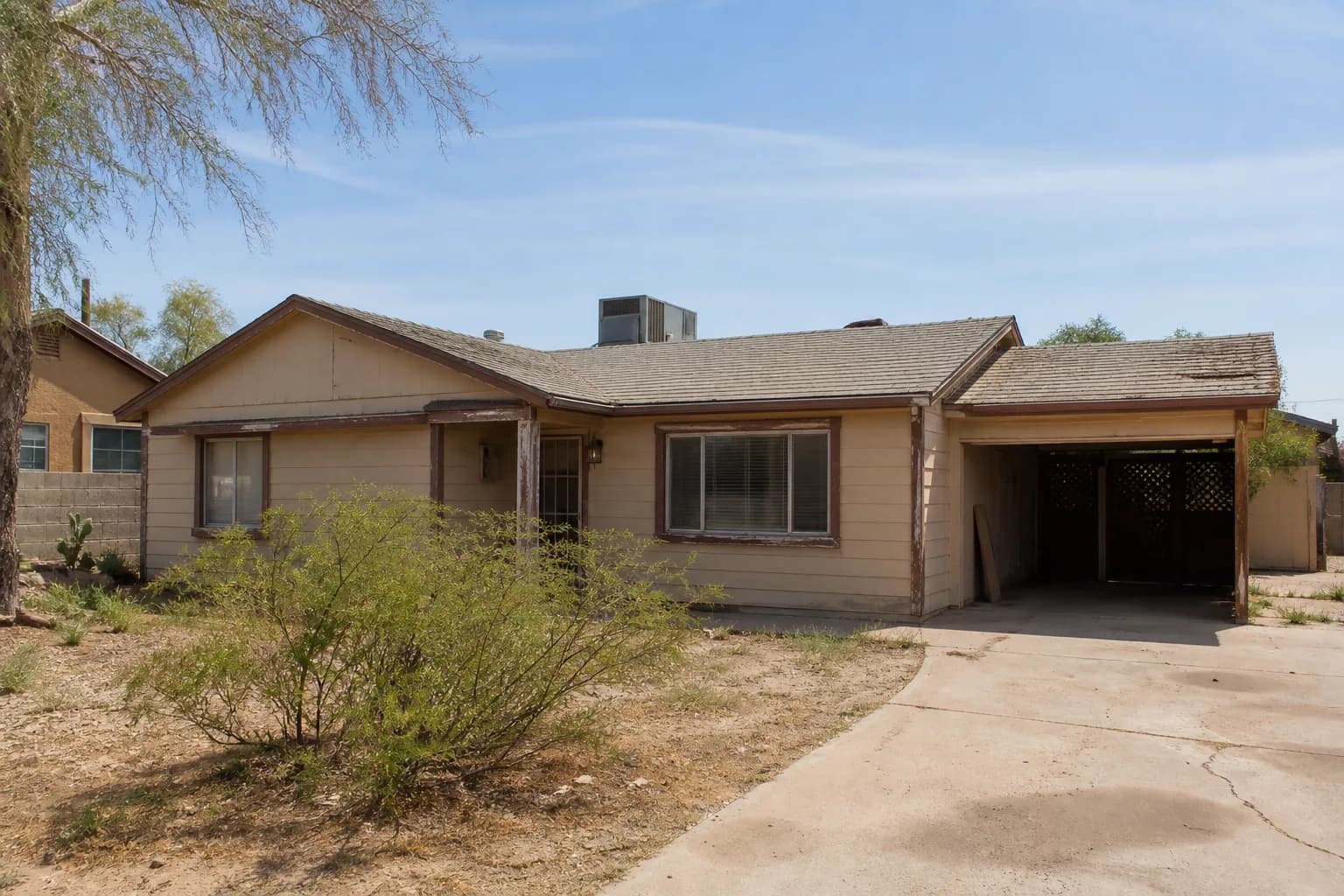
Table of contents
Selling a house as is can feel like a lifeline when you're dealing with an inherited home, a fixer-upper you no longer want, or a financial situation that leaves no room for repairs. If you're in Arizona—especially Phoenix, Scottsdale, or the surrounding valleys—understanding what "as is" really means and how it applies here can help you make a confident decision.
Looking for a quick answer first? Our Arizona cash-sale FAQ covers the short version (as-is without inspection, fees, timelines). This guide is the full walkthrough: what "as is" means, when it makes sense, what you're still required to disclose, and how to get the best outcome — whether you use a cash buyer or the MLS.
A quick note: we buy homes as is across the Phoenix metro and Arizona. We've helped sellers with foundation cracks, water damage, termite issues, inherited homes, and tight timelines. The goal of this article is to give you honest, useful information—not to push you toward any one path. Your circumstances are unique, and the right choice depends on your goals.
What Does "As Is" Mean in Real Estate?
"As is" means you're offering to sell your home in its current condition, without agreeing to make repairs or improvements before closing. Buyers take the home as they find it, knowing that you won't be fixing the roof, updating the HVAC, or replacing the flooring.
What "as is" does mean:
- You're not making repair concessions or credits at closing (unless you negotiate them)
- Buyers generally can't force you to fix things after an inspection
- The sale reflects the home's current state—flaws and all
What "as is" does not mean:
- You can hide known defects or lie on disclosure forms
- You're exempt from Arizona's seller disclosure laws
- Buyers waive their right to inspect—they can still walk away
In Arizona, "as is" is about your repair obligations, not your duty to tell the truth. You must still disclose known material defects on the Seller's Property Disclosure Statement (SPDS), even when selling as is. We'll cover that in detail below.
When Does Selling a House As Is Make Sense?
Selling a house as is fits many real situations Arizona homeowners face. Here are the most common scenarios.
Inherited Homes
When you inherit a home, you may live across the country, share ownership with siblings, or simply not have the time or money to fix it up. Many inherited homes in Arizona are older, need updates, or sit vacant. Selling as is lets you exit the situation without turning the home into a construction project.
Financial Hardship
If you're behind on payments, facing foreclosure, or struggling to keep the home, repairs are often the last thing on your mind. Selling as is to a cash buyer can help you avoid foreclosure and move on without spending money you don't have.
Relocating Quickly
A job transfer or family move can leave little time for repairs. Selling as is—especially to someone who buys homes outright—can accelerate the timeline so you can close and relocate without delay.
Major Repairs Needed
Homes with foundation issues, water damage, or termite damage often require tens of thousands of dollars in repairs. Many sellers would rather sell as is and let the buyer handle the work than pour cash into a home they're leaving anyway.
Divorce or Life Change
During a divorce, one or both spouses often want out fast and without added stress. Selling as is can simplify the process and avoid arguments about who pays for repairs.
Vacant or Distressed Homes
Homes that have sat empty—whether due to estate settlement, job relocation, or deferred maintenance—often develop their own issues: pest entry, HVAC failure, landscaping overgrowth. Selling as is acknowledges the condition and attracts buyers who are prepared to address it.
If any of these situations describe you, selling a house as is may be a practical path forward.
Arizona Disclosure Requirements for As-Is Sales
This is critical: in Arizona, you must still complete and provide the Seller's Property Disclosure Statement (SPDS) even when selling your home as is.
The SPDS is a state-mandated form that asks about the home's condition, including:
- Structural and foundation issues
- Roof age and known leaks
- Plumbing, electrical, and HVAC
- Previous water damage, flooding, or mold
- Termite or pest damage
- Environmental concerns (lead paint, asbestos, etc.)
- HOA and zoning matters
- And many other categories
You must answer honestly. If you know about a problem, you must disclose it. Selling "as is" does not override this. Failing to disclose known material defects can lead to legal liability, including rescission of the sale or damages.
Practical tips for the SPDS when selling as is:
- Fill out every section; "unknown" is acceptable if you genuinely don't know
- If you're unsure about something, err on the side of disclosure
- Attach any reports you have (termite, foundation, roof) so buyers have full information
Cash buyers and investors who purchase as-is homes typically expect disclosures. They factor known issues into their offer. The goal is transparency, not surprises.
One more point: if you're selling a home you've never lived in (for example, an inherited home), you may be able to use an "Information Concerning the Property" (ICOP) form instead of the full SPDS. This applies when you lack direct knowledge of the home's condition. An experienced real estate attorney or title company can guide you on which form applies to your situation.
How to Price an As-Is Home
Pricing an as-is home is different from pricing a turnkey home. Here are two main approaches.
Comparable Sales Minus Repair Costs
Look at recent sales of similar homes in your area that sold in good condition. Then subtract the estimated cost of repairs your home needs. For example:
- Neighboring homes sold for $350,000
- Your home needs $25,000 in roof and HVAC work
- A rough as-is value might be around $325,000 (adjust based on your specific market)
Keep in mind that repair estimates often run higher than expected. Buyers and investors usually build in a margin for unknowns.
Get Multiple Offers
Another strong strategy is to get offers from several buyers. This includes:
- Get a cash offer from a company like ours
- Traditional buyers (if listing on the MLS)
- iBuyers or other instant-offer platforms
- Local investors
Comparing offers helps you see the real range of what your as-is home can bring. Sometimes cash buyers pay less than list price but offer speed, certainty, and zero repair requirements—which can be worth more than a slightly higher offer that falls through.
A final tip: avoid letting emotion drive the number. As-is homes with real damage often won't appraise at "retail" value. Buyers who need financing may struggle if the appraisal comes in low. Cash buyers don't face that hurdle, which is one reason they can close on homes that traditional lenders would flag.
Pros and Cons of Selling a House As Is
Pros
- No repair outlay. You avoid spending money on fixes before sale
- Faster sale potential. Cash buyers often close in days or weeks
- Less hassle. No coordinating contractors or managing renovation timelines
- Clarity. Buyers know what they're getting; fewer post-inspection surprises
- Works for difficult situations. Foundation, water, or termite damage? As-is buyers expect it
Cons
- Lower sale price. As-is homes typically sell for less than repaired homes
- Fewer buyers. Many mortgage buyers and families want move-in ready homes
- You still disclose. You can't skip the SPDS or hide known issues
- Some buyers will lowball. Expect a range of offers, not always fair
Weighing these helps you decide if as-is is right for your situation and goals.
Who Buys As-Is Homes?
Several types of buyers actively purchase as-is homes in Arizona:
- Cash home buyers like Highest Cash Offer—we buy homes in any condition and close on your timeline
- Real estate investors who flip or rent homes
- House flippers who buy, renovate, and resell
- iBuyers (Offerpad, Opendoor, etc.) who make instant offers, though they may reject homes with major issues
Cash buyers and investors are usually the best fit for homes with significant problems. They're used to dealing with foundation issues, water damage, and termite damage and don't need lender approvals or repair contingencies.
When you're selling a house as is, it pays to know who you're talking to. iBuyers work well for relatively clean homes but often pass on severely damaged properties. Traditional buyers with FHA or conventional loans may not qualify for homes that fail appraisal or have safety issues. Cash buyers, by contrast, use their own funds and set their own criteria—so they can say yes to homes that others would reject.
As-Is Sale Options Compared
| Factor | As-Is to Cash Buyer | As-Is on MLS | Traditional Sale with Repairs |
|---|---|---|---|
| Repair costs | None | None | You pay for repairs |
| Sale speed | Often 1–3 weeks | 30–90+ days | Depends on repairs first |
| Commissions | Often none | Typically 5–6% | Typically 5–6% |
| Disclosure | SPDS required | SPDS required | SPDS required |
| Buyer type | Cash buyers, investors | Mixed (fewer for damaged homes) | Broader pool |
| Offer certainty | High (few contingencies) | Variable (inspections, financing) | Variable |
| Best for | Urgent sale, major damage | Moderate condition, no rush | Good condition, time for repairs |
Your situation—timeline, repair needs, and tolerance for uncertainty—will drive which path makes the most sense.
A note on the table: "Often none" for cash buyer commissions means many direct cash buyers (including us) don't charge seller commissions. If you list on the MLS with an agent, you'll typically pay 5–6% in commissions regardless of as-is status. Speed varies widely—cash sales can close in under two weeks; MLS sales often take 60–90 days, especially for homes that need work.
Common As-Is Situations in Arizona
Arizona's climate and construction create specific issues that often lead to as-is sales:
Termite damage. Subterranean termites are common here. Damage to wood framing, subfloors, or beams can be costly. Many sellers choose to sell a home with termite damage as is rather than deal with treatments and repairs.
Foundation issues. Expansive soils, caliche, and post-tension slab problems affect many Arizona homes. Foundation repairs can run $10,000–$50,000 or more. If you're selling a home with foundation issues, an as-is sale to a cash buyer is often realistic.
Water damage. Monsoon storms, slab leaks, and aging plumbing cause water intrusion and mold. Fixing water damage properly is expensive. Selling a water-damaged home as is is common in Phoenix and the surrounding areas.
Outdated homes. Older homes with original kitchens, baths, and systems can sit on the market for months if priced like updated homes. Selling as is acknowledges the condition and attracts buyers who want a project.
Pool problems. Cracked pools, failing equipment, or green water can scare off traditional buyers. As-is buyers often factor pool repair or removal into their offer.
Hoarding or severe neglect. When a home has been heavily used or neglected, deep cleaning and hauling can cost thousands. Some sellers prefer to sell as is and let the buyer handle it.
If your home fits one of these profiles, an as-is sale is a normal and viable path. The key is matching your home to buyers who routinely work with these conditions—and that's often cash buyers and local investors rather than first-time homebuyers browsing the MLS.
Ready to Sell Your Arizona Home As Is?
If you're selling a house as is in Phoenix, Scottsdale, Mesa, Tempe, or anywhere in Arizona, we can help. We buy homes in any condition—foundation issues, water damage, termite damage, outdated, or simply inherited and unwanted.
Get a cash offer and we'll review your situation. If our offer works for you, we'll close on your timeline.
Questions? Call us at (602) 600-0103. We're here to help.
Frequently Asked Questions
Do I still have to disclose problems when selling my home as is in Arizona?
Yes. Arizona law requires you to complete the Seller's Property Disclosure Statement (SPDS) for residential home sales. Selling "as is" does not exempt you. You must disclose known material defects honestly. Failing to do so can result in legal liability.
Can buyers still back out if I sell as is?
Yes. Buyers typically have an inspection period in the sales agreement. If they find something they don't like, they can terminate during that period (subject to the terms of your agreement). "As is" means you won't make repairs — it doesn't prevent them from walking away before closing.
Will I get less money selling my home as is?
Usually. As-is homes typically sell for less than comparable homes in good condition because buyers factor in repair costs and risk. The tradeoff is often speed, certainty, and no repair outlay. Getting multiple offers — including from cash buyers — helps you see what your home can realistically bring.
Is selling as is to a cash buyer different from listing on the MLS?
Yes. Cash buyers often buy directly from you with no listing, no agent commissions, and few contingencies. MLS as-is listings still involve agents, commissions, and buyer financing contingencies. Both require SPDS disclosure. Cash buyers can close faster and are more comfortable with serious damage.
What if my home has foundation or water damage? Can I still sell as is?
Absolutely. Many Arizona homes with foundation issues or water damage sell as is to cash buyers and investors. You must disclose the damage on the SPDS. Buyers who specialize in as-is purchases expect these situations and price accordingly.
How quickly can I sell my Arizona home as is?
It depends on your path. Cash buyers often close in as few as 7–14 days if you're ready. MLS listings can take 30–90 days or longer, and deals can fall through. If speed matters, getting a cash offer is usually the fastest route.
Article Sources

Jared Vidales
Founder, Highest Cash Offer
Jared Vidales founded Highest Cash Offer in 2015. Since then the team has purchased 1,500+ homes in any condition across Maricopa County, Arizona — helping owners sell fast, as-is, with no fees or commissions.
Last updated March 5, 2026.